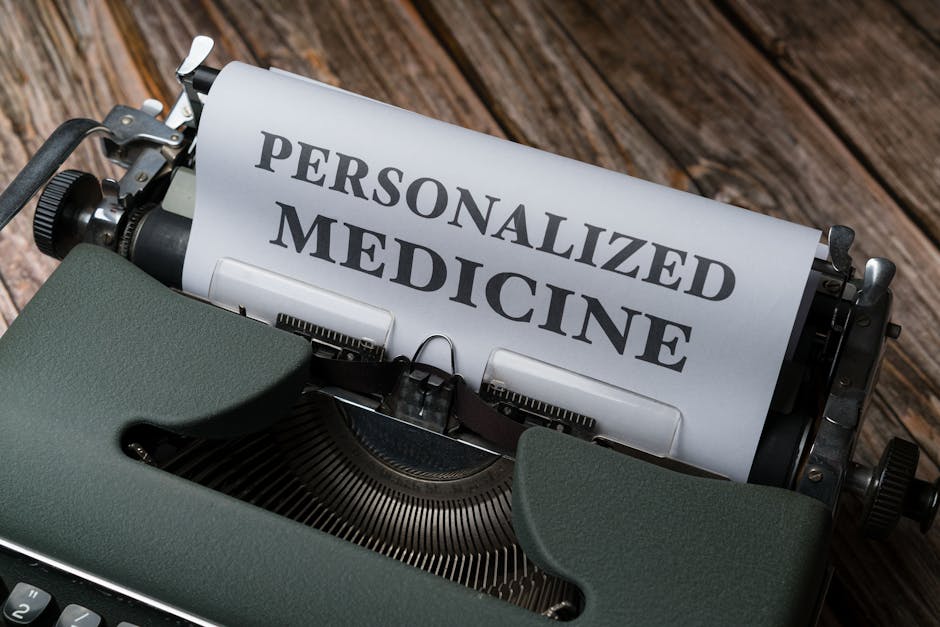
In the ever-evolving landscape of healthcare, one size does not fit all. This is especially true in the realms of mental health, substance abuse treatment, and rehabilitation. Personalized treatment plans are proving to be the key to unlocking successful recovery, pushing aside cookie-cutter methods in favor of approaches that prioritize individualized care.
Understanding Personalized Treatment in Healthcare
Personalized treatment plans, also known as tailored treatments or customized programs, involve creating a unique recovery journey for each patient. This approach places the individual’s needs, preferences, and circumstances at the center of the therapeutic process, highlighting the shift towards more patient-centered care.
The emphasis on individualized care ensures that interventions are more effective, addressing the root causes and contributing factors of illnesses in ways that standardized treatments may overlook. By acknowledging the person behind the condition, healthcare professionals can develop strategies that resonate more deeply with the patient, greatly enhancing the chance of successful recovery.
The Holistic Approach
Holistic methods are integral to this form of treatment. Healthcare professionals consider all dimensions of a patient’s life, from their physical and mental health to personal experiences, environment, and lifestyle. This comprehensive understanding allows for a more targeted and effective treatment plan.
For instance, in mental health and substance abuse treatment, a holistic approach may involve:
- Integrating various therapeutic modalities: Combining cognitive behavioral therapy with art therapy or meditation.
- Fostering strong support systems: Recognizing the roles that family and friends play in recovery.
- Addressing underlying issues: Exploring trauma or stress factors contributing to substance abuse and mental health conditions.
By crafting a holistic, personalized plan, patients are more likely to experience meaningful recovery and long-term well-being.
Case Study: Mental Health Challenges
In cases of mental health disorders, personalized therapy can make a significant impact.
Consider a scenario where two individuals are diagnosed with depression. Bob responds positively to outdoor activities and sports as part of his therapeutic regimen, while Alice finds solace in creative expression and journaling. A personalized approach ensures that both individuals receive suitable interventions, tailored to their preferences and inclinations.
Further, medications such as antidepressants may be customized according to how an individual’s body metabolizes drugs, preventing potential side effects and improving overall efficacy.
Tackling Substance Abuse with Customized Programs
With substance abuse, generic treatment approaches can miss crucial elements needed for recovery.
By prioritizing individualized care, programs provide a roadmap for:
- Identifying triggers: Understanding what may cause an individual to relapse.
- Designing coping strategies: Tailoring skill-building exercises to help manage cravings and stress.
- Building sustainable lifestyle changes: Encouraging healthy habits to replace addictive behaviors.
These elements not only increase the likelihood of overcoming addictive patterns but also fortify resilience against future lapses.
The Rehabilitation Process
In rehabilitation settings, tailoring treatment strategies to align with each patient’s unique situation is essential. Consider an elder recovering from a stroke versus a young athlete rehabbing from a sports injury. Applying a one-size-fits-all method to these vastly different scenarios would likely result in suboptimal outcomes.
Barriers and the Path Forward
Despite the proven benefits of personalized treatment plans, obstacles such as resource limitations, lack of training, and funding constraints can hinder their implementation program. Paving a path forward involves:
- Investing in training: Empowering healthcare providers with the skills needed to devise individualized treatment plans.
- Utilizing technology: Leveraging data-driven solutions to offer insights into patient history and needs.
- Emphasizing collaborative care: Fostering communication between diverse treatment teams to ensure cohesive care delivery.
Conclusion
In conclusion, personalized treatment plans hold the promise of redefining healthcare, placing the patient’s unique needs at the forefront of their recovery journey. As we embrace this patient-centered, holistic approach, the healing process becomes a more empowering, engaging, and successful experience for those embarking on their paths to wellness.
As the healthcare industry continues to adapt and innovate, personalized treatment plans are poised to become the cornerstone of effective recovery strategies across myriad conditions, guiding patients towards brighter, healthier futures.