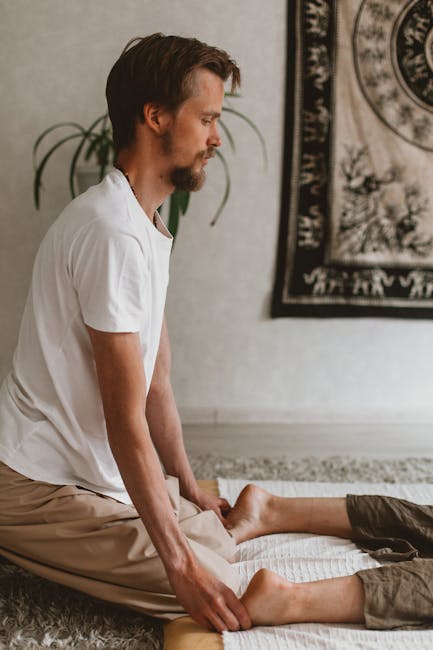
In recent years, the approach to addiction treatment has experienced a fundamental shift. More people are now exploring holistic recovery and alternative therapies—they are finding ways to heal beyond the traditional models. While conventional treatment methods focus extensively on withdrawal and preventing relapse, holistic and alternative approaches cater to the comprehensive healing of the mind, body, and spirit.
The Rise of Holistic Recovery
Holistic recovery treats addiction as a multifaceted issue that encompasses physical, emotional, behavioral, and spiritual dimensions. The goal is not merely to stop using substances but to address the root causes and support the individual in leading a fulfilling, substance-free life.
An essential feature of holistic recovery is the belief that the individual already possesses the tools they need for healing. The therapies offered are designed to awaken and reinforce these innate abilities, promoting long-term recovery.
Exploring Alternative Therapies in Addiction Treatment
### 1. Mindfulness Meditation
Mindfulness involves being present in the moment without judgment. It has become increasingly popular in treating addiction as it fosters self-awareness and reduces stress—a common trigger for substance use. Studies have shown that consistent mindfulness meditation can decrease the likelihood of relapse by improving insight into cravings and emotional triggers.
2. Yoga for Addiction
Yoga is a practice that integrates physical postures, breathing exercises, and meditation, offering numerous physical and psychological benefits. In addiction recovery programs, yoga aids in enhancing physical well-being, building emotional resilience, and providing a sense of inner peace. It not only helps in instilling body awareness but also serves as a robust tool for emotional regulation in recovery.
3. Art Therapy
Art therapy offers a creative outlet for individuals to express themselves and process emotions that may be difficult to verbalize. By engaging in activities like drawing, painting, or sculpture, individuals are encouraged to explore their feelings, manage addiction-related issues, and develop insights that facilitate healing.
4. Acupuncture
Rooted in traditional Chinese medicine, acupuncture involves the insertion of thin needles into specific points on the body. The practice is believed to restore balance and promote healing. Studies suggest that acupuncture can alleviate withdrawal symptoms, improve mood, and encourage a physical and mental state supportive of recovery.
5. Naturopathy
Naturopathic treatment includes lifestyle changes, nutrition counseling, and natural remedies to support the body’s self-healing process. By focusing on dietary adjustments, detoxification, and supplementation, naturopathy aims to address nutritional deficiencies and guide individuals toward a well-rounded recovery.
Developing Personalized Recovery Programs
One of the key advantages of incorporating these therapies into addiction treatment is the ability to customize recovery programs. People struggling with addiction present unique challenges and require tailor-made recovery solutions.
- Combining therapies: Recovery programs might combine yoga, meditation, and psychotherapy to address different aspects of addiction.
- Flexibility: Holistic recovery ensures the flexibility needed for individuals to explore different therapies that resonate with them and adapt as their recovery process evolves.
- Enhancing traditional treatment: Alternative therapies can effectively complement conventional treatments such as counseling and medication, providing a comprehensive healing framework.
Challenges and Considerations
While holistic and alternative approaches in addiction recovery have shown immense promise, there are challenges to recognize. Ensuring practitioners have comprehensive and accredited training is vital to ethical and effective treatment. Moreover, as holistic recovery is still emerging, more studies are necessary to establish evidence-based practices without displacing traditional methodologies.
Conclusion
Navigating the often complex corridors of addiction recovery demands a more inclusive and compassionate approach. By blending innovative alternative therapies and holistic recovery principles with traditional treatments, individuals can access a broader spectrum of healing modalities. The future of addiction treatment benefits from an open, diverse approach that empowers those in recovery to not just survive but thrive in their second chance at life.
As addiction treatment evolves, embracing these methodologies could very well unlock the path to change many seek—a future of recovery enriched by mindfulness, balance, and an enduring sense of self-awareness.