Recovery from alcohol or drug use is not only about stopping a substance. It also involves the stress, habits, relationships, physical discomfort, mental health concerns, and loss of direction that may have grown around it. Holistic therapy can be part of treatment because it looks at these connected areas rather than treating addiction as a single problem.
It is not a replacement for medical assessment, withdrawal support, counselling, medication when appropriate, or a structured addiction treatment plan. Instead, it may give you practical ways to regulate stress, reconnect with your body, express feelings, and build a life that supports ongoing recovery. The often-missed question is not whether a therapy sounds calming or appealing; it is whether the provider can explain how it fits safely into your overall care.
What you need before you start
Before choosing a programme, begin with a clear view of what support you need now. Holistic approaches can be useful in outpatient, residential, and continuing-care settings, but the right setting depends on your circumstances.
A medical and safety check
Do not try to manage withdrawal alone if stopping alcohol, sedatives, or other drugs could cause serious symptoms. Contact a medical professional, addiction service, or emergency service if you are in immediate danger, have severe withdrawal symptoms, or feel at risk of harming yourself or someone else.
A treatment assessment should ask about substance use, physical health, prescribed medicines, previous withdrawal, mental health, trauma, housing, work, and family support. This makes it easier to identify when medical detoxification, psychiatric care, or a higher level of support should come before complementary activities.
A realistic goal for addiction recovery
Name what you want help with beyond abstinence or reduced use. For example, you may want better sleep, fewer urges, a steadier daily routine, a way to handle anxiety, or support reconnecting with other people.
A holistic option is more useful when it has a clear role. Yoga may help you notice tension and practise slowing down. Meditation may help you observe an urge without immediately acting on it. Creative activities may provide a safer route into difficult emotions. None of these alone resolves addiction, but each can support the skills developed in treatment.
Tools and information to bring
You do not need special equipment to begin. Bring practical information and a willingness to ask direct questions:
- A list of prescribed medicines, health conditions, and injuries.
- Your previous treatment experiences, including what helped and what did not.
- Current concerns about cravings, sleep, mood, eating, pain, or safety.
- Questions about qualifications, supervision, confidentiality, and how the service responds to relapse.
- Comfortable clothing if you plan to try movement-based activities.
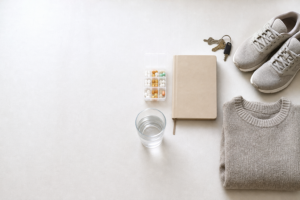
- A notebook or phone note for tracking what leaves you calmer, more activated, or more likely to want to use.
What holistic care can include
The word “holistic” is broad. A provider may use it to describe care that addresses physical, emotional, social, and spiritual needs. Ask for specifics rather than relying on the label.
| Approach | What it may support | Important consideration |
|---|---|---|
| Individual or group counselling | Coping skills, motivation, trauma-informed support, relationships | Check that addiction treatment is part of the clinician’s competence. |
| Mindfulness or meditation | Pausing before reacting, noticing thoughts and urges | Quiet practice can feel uncomfortable for some people, especially early in recovery. |
| Yoga or gentle movement | Body awareness, stress relief, routine | Adapt for injury, chronic pain, pregnancy, or mobility needs. |
| Art, music, or journalling | Emotional expression and self-reflection | These activities can bring up strong feelings; support should be available. |
| Nature therapies | Time outdoors, gentle activity, connection and routine | They should supplement, not delay, needed clinical or medical care. |
| Nutrition and sleep support | Regular nourishment and stabilising routines | Seek qualified advice for dietary needs or medical conditions. |
Step-by-step: choosing holistic therapy
Step 1: Start with the level of care you need
Contact an addiction treatment provider, primary care service, or qualified mental health professional for an assessment. Be honest about what and how often you use, because safety planning depends on accurate information.
If you need detoxification, crisis support, or intensive treatment, address that first. Holistic activities can be introduced alongside formal care when it is safe, but they should not be presented as a way to “detox” at home or bypass treatment.
Step 2: Identify the pattern beneath substance use
Consider when you are most likely to drink or use drugs. Is it after conflict, when alone, during pain, when you cannot sleep, or when a particular memory surfaces? You do not need perfect answers. The goal is to find patterns that treatment can address.
For example, if stress leads to impulsive use, mindfulness and breathing practices may become part of a relapse-prevention plan. If isolation is a major issue, a supportive group, outdoor activity, or peer connection may be more valuable than a solitary practice.
Step 3: Ask how alternative treatments fit the treatment plan
Some alternative treatments may be offered alongside evidence-based addiction care. Ask the programme to explain the purpose of each service in plain language.
Useful questions include:
- Who leads this activity, and what training do they have?
- How does it support recovery goals?
- Is it optional, and are there alternatives if it does not suit me?
- What happens if the activity increases anxiety, pain, cravings, or traumatic memories?
- How do counsellors, medical staff, and wellness providers communicate about my care?
A responsible programme welcomes these questions. It does not promise a cure, discourage prescribed treatment, or make you feel at fault if a particular practice is not helpful.
Step 4: Try one manageable practice
Choose a practice that feels accessible, not impressive. Starting with a brief guided meditation, a gentle class, a walk with a support person, or a regular meal routine is enough. Recovery already asks for significant change; adding too many new routines can create pressure and make setbacks feel like failure.
Pay attention to your response. Afterward, note whether you feel more grounded, emotionally flooded, physically uncomfortable, sleepy, restless, or more connected to others. Share this with your counsellor or treatment team so the plan can be adjusted.
Step 5: Use mindfulness as an urge-management skill
Mindfulness does not mean forcing yourself to be positive or emptying your mind. In recovery, it can mean noticing: “I am having an urge,” “My body is tense,” or “I want to escape this feeling.” That small pause creates room to use a planned response.
When an urge appears, try to identify what is happening in your body and surroundings. Take slow breaths, move to a safer place, contact a support person, attend a meeting or appointment, or use another step from your relapse-prevention plan. If you think you may use or are unsafe, seek immediate support rather than trying to meditate through a crisis.
Step 6: Build a routine that supports emotional wellbeing
Recovery is strengthened by repeatable basics: sleep where possible, food, hydration, movement, appointments, and contact with supportive people. Holistic care works best when it becomes part of this ordinary structure rather than a separate “wellness” task you only do when things are going badly.
Keep the plan flexible. A demanding yoga class may not be right on a day when you are exhausted. A quiet nature walk may be too isolating if you are feeling vulnerable. Match the activity to the day, while keeping professional and peer support available.
Step 7: Review, adjust, and keep core treatment in place
Bring your observations to therapy or case-management appointments. Discuss whether a practice is helping with cravings, sleep, mood, connection, or emotional regulation. Also discuss anything that makes you feel worse.
A good plan changes as your needs change. You may continue one practice, switch to another, or decide it is not useful. Stopping an unhelpful activity is not failing at recovery. The priority is care that is safe, respectful, and connected to your wider treatment plan.
Common mistakes and how to fix them
Treating wellness activities as a substitute for treatment
Meditation, yoga, supplements, massage, and time outdoors may feel supportive, but they do not replace assessment, detoxification when needed, addiction counselling, or treatment for co-occurring mental health conditions.
Fix: Choose services that integrate wellness activities with clinical care and relapse-prevention planning. Continue prescribed medication unless the clinician managing it advises a change.
Choosing a provider based on the label alone
“Holistic” does not automatically describe someone’s qualifications, approach to addiction, or ability to respond to a crisis.
Fix: Ask about training, addiction experience, safeguarding, confidentiality, and referral pathways. Find out whether there is medical or licensed mental health support when it is needed.
Forcing meditation or yoga when it feels unsafe
Stillness, body-focused attention, and group movement can be difficult for people with trauma, pain, panic, body-image concerns, or withdrawal discomfort.
Fix: Tell the instructor or clinician what you need. Ask for a trauma-informed approach, modifications, a chair-based option, eyes-open practice, or a different activity. You are allowed to step out.
Expecting one practice to remove cravings
Cravings are influenced by learned habits, stress, cues, relationships, and physical states. A wellness practice can be one useful response, but it is not a complete safety plan.
Fix: Pair it with concrete supports: appointments, safe contacts, coping strategies, removal from high-risk situations, and a plan for what to do if you return to use.
Ignoring practical barriers
Transport, childcare, cost, work schedules, disability access, and privacy can determine whether a programme is realistic. A plan that cannot be sustained may add shame rather than support.
Fix: Ask about remote options, accessible activities, flexible scheduling, community resources, and lower-intensity services. Choose the most workable support, not the most elaborate one.
FAQ
What is holistic therapy in addiction treatment?
It is an approach that considers substance use alongside physical health, mental health, emotions, relationships, daily habits, and personal values. It may include counselling alongside practices such as mindfulness, movement, creative expression, nutrition support, or nature-based activities. It should complement appropriate medical and addiction care.
Can holistic therapy treat addiction on its own?
It should not be relied on as the only treatment, particularly when withdrawal risks, severe cravings, mental health symptoms, or safety concerns are present. It can strengthen a broader treatment plan by helping with coping, routine, emotional awareness, and wellbeing.
Is meditation safe in early recovery?
It can be helpful for some people, but it is not comfortable or suitable for everyone. Meditation can sometimes bring up anxiety, traumatic memories, or difficult sensations. Begin with guidance, keep sessions manageable, and tell a clinician if it makes you feel distressed or less safe.
Can yoga help with addiction recovery?
Yoga may help some people build body awareness, practise breathing, reduce tension, and create structure. It is best viewed as a supportive recovery activity rather than a cure. Look for an instructor who can offer modifications and respects physical and emotional boundaries.
How do I find a trustworthy holistic programme?
Look for a service that conducts a proper assessment, explains what each treatment is for, includes qualified addiction and mental health professionals, and has a clear response to withdrawal, relapse, and crisis. Be cautious of programmes that make sweeping promises, advise against necessary medical care, or cannot explain staff qualifications.