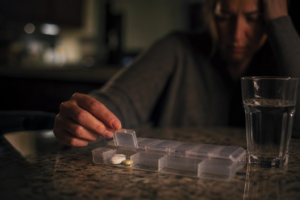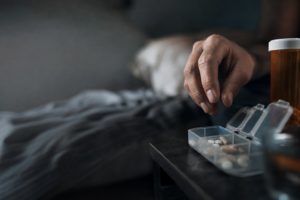
Depression can make every option feel either too demanding or too uncertain. The useful question is not whether an approach is “natural” or whether medication is always required. It is whether a choice is safe, realistic, and connected to support that can respond if symptoms worsen. Alternative treatments for depression can be worthwhile when they replace isolation, inconsistent routines, or substance use with care that addresses what is keeping someone stuck.
A treatment decision is not a test of willpower. Depression often affects sleep, concentration, appetite, motivation, and the ability to take basic steps. A plan should therefore reduce friction rather than ask someone to transform their life through effort alone.
The comparison below is not a clinical trial or a promise of a particular outcome. It is a practical decision experiment: swap a vague, unsupported approach for a structured and monitored one, then pay attention to what changes.
What we swapped and why: alternative treatments for depression
The first swap is from trying to handle depression privately to getting an assessment and building a plan with a qualified clinician. This does not automatically mean taking medication. It means identifying the severity of symptoms, considering physical and mental health factors, discussing substance use honestly, and choosing care with appropriate follow-up.
The second swap is from chasing a single remedy to combining supports that fit the person. Depression rarely has a single cause, and a single intervention may not address everything involved. Therapy, regular activity, sleep support, meaningful connection, and medical care can work alongside each other. Medication may be part of that plan for some people; it is not a personal failure or a requirement for everyone.
The third swap matters especially in addiction treatment: using alcohol or drugs to blunt emotional pain is exchanged for treatment that addresses depression and substance use together. A substance can seem to offer short-term relief while disrupting sleep, worsening mood swings, increasing isolation, or making it harder to judge risk. Stopping or reducing use can also bring symptoms that need professional support.
| Unstructured approach | Structured swap | Why the difference matters |
|---|---|---|
| Searching for a quick natural cure | Discussing options with a clinician and setting a realistic care plan | It separates potentially helpful supports from unsafe, unproven, or poorly matched choices. |
| Waiting to feel motivated before acting | Scheduling manageable actions with support | Depression can reduce motivation; small planned actions do not depend on feeling ready. |
| Treating sleep as an afterthought | Addressing sleep habits, health issues, and substance effects | Poor sleep and depression can reinforce each other. |
| Using alcohol or drugs for relief | Seeking integrated mental health and addiction care | Both conditions can intensify each other when treated separately or ignored. |
| Stopping prescribed treatment suddenly | Talking through concerns before changing treatment | Sudden changes can bring distressing symptoms or a return of depression. |
| Trying supplements without advice | Checking safety and interactions with a pharmacist or clinician | “Natural” does not automatically mean safe, especially alongside medication or substance use. |
How to deal with depression by yourself
Self-help can be a meaningful part of recovery, particularly for less severe symptoms or alongside professional treatment. It should not require pretending the problem is minor.
Useful self-directed steps are concrete and repeatable:
- Keep a basic daily rhythm around waking, meals, movement, and sleep.
- Choose a small activity that provides contact, accomplishment, or enjoyment, even if the feeling of reward is absent at first.
- Tell a trusted person what is happening rather than waiting until things become unbearable.
- Reduce access to alcohol or drugs when they are being used to manage mood.
- Write down changes in sleep, mood, substance use, and functioning to make patterns easier to discuss with a clinician.
Self-help becomes less suitable as symptoms interfere more seriously with safety, daily functioning, work, relationships, or the ability to care for oneself. It is also not enough on its own when someone is thinking about suicide or self-harm. In that situation, seek urgent local crisis or emergency support, or contact a trusted person who can stay involved while help is arranged.
DSM-5 criteria for major depressive disorder
The DSM-5 is a diagnostic guide used by clinicians. Major depressive disorder is not diagnosed from sadness alone. A clinician considers a persistent pattern of symptoms such as low mood or loss of interest, alongside changes in sleep, appetite, energy, concentration, movement, feelings of worthlessness, or thoughts of death.
They also consider duration, the impact on daily life, and whether symptoms may be better explained by a medical condition, medication, substance use, grief, or another mental health condition. That broader assessment is one reason internet checklists cannot replace a professional evaluation.
A diagnosis can be useful because it guides treatment, but a person does not need to settle every diagnostic question before asking for support.
What changed
The most important change is not usually a dramatic mood shift after a single new habit. It is the move from guessing to learning. A structured plan creates opportunities to notice what helps, what creates setbacks, and what needs adjustment.
Therapy versus going it alone
Psychotherapy gives depression a regular place to be examined rather than endured in silence. Different therapy approaches can help a person notice unhelpful thought patterns, reconnect with valued activities, improve communication, process difficult experiences, and develop coping skills.
The right fit matters. If a therapy approach feels unhelpful, that does not mean therapy as a whole has failed. It may mean the pace, style, practical focus, or clinician relationship needs to change. Raise concerns directly when possible; a good treatment plan can be adjusted.
For a person entering drug or alcohol treatment, therapy can also help distinguish depressive symptoms from cravings, withdrawal effects, trauma responses, and the consequences of active substance use. Integrated care avoids forcing someone to choose which problem deserves attention first.
Activity and connection versus waiting for a better mood
Depression often tells people to withdraw until they feel like themselves again. The swap is to take modest, planned action before motivation returns. A walk, a shower, a meal with someone safe, a support meeting, or attendance at an appointment can be significant because it interrupts withdrawal.
The goal is not forced positivity. It is to create conditions in which the person has more contact with routine, other people, daylight, nourishment, and responsibilities that feel manageable. If an activity feels impossible, make it smaller or ask someone to do it alongside you.
How antidepressants work
Antidepressants are prescribed medications intended to help with depression for some people. They affect brain systems involved in mood and related functions. The decision to use one should take account of symptoms, past treatment experiences, other health conditions, possible side effects, other medications, and personal preferences.
They do not create happiness on demand, and they are not the only treatment for depression. Some people benefit from them, while others need a different approach, additional support, or a change in treatment. Follow-up is important because benefits and unwanted effects need to be reviewed.
Do not start, stop, or alter a prescribed antidepressant without speaking with the prescriber. This is particularly important when alcohol, non-prescribed drugs, or other medications are involved, because interactions and withdrawal-related symptoms can complicate the picture.
Can antidepressants stop working after years?
A person may feel that a medication which once helped is no longer providing the same relief. Depression can return or change for many reasons, including stress, disrupted sleep, physical illness, substance use, changes in other medicines, or an evolving mental health condition. It is also possible that the original treatment plan needs reassessment.
The practical response is a review, not a sudden stop. Bring notes about symptom changes, functioning, sleep, alcohol or drug use, and any new health concerns. A prescriber can consider whether the medication, dose, diagnosis, additional therapy, or broader care plan needs to change.
Supplements and “natural” remedies versus safety checks
Some people seek herbs, vitamins, or other supplements because they want a treatment that feels gentler or more within their control. That motivation is understandable. The risk is assuming that a supplement is harmless, effective for a particular person, or safe to combine with prescribed medication, alcohol, or drugs.
Ask a pharmacist, doctor, or qualified clinician before adding a supplement. Take the actual product information to the conversation when possible. This is especially important during withdrawal, pregnancy, treatment for other health conditions, or when taking psychiatric medication.
The rule of thumb
Choose treatments by their safety, evidence, fit, and follow-up—not by whether they are labeled natural, alternative, or conventional.
A reasonable plan has several features:
- It begins with an honest assessment of mood symptoms, physical health, and substance use.
- It includes support that is regular enough to notice deterioration, not just advice given once.
- It uses manageable behavioral changes rather than relying on motivation alone.
- It treats alcohol or drug use as clinically relevant, not as something to hide until depression improves.
- It leaves room to revise the plan when progress stalls or side effects appear.
If depression is mild and daily functioning remains intact, structured self-help and therapy may be appropriate places to begin. If symptoms are persistent, disabling, complicated by alcohol or drug use, or accompanied by thoughts of self-harm, bring in professional care promptly. For immediate danger or an inability to stay safe, use emergency or crisis services in your area.
The strongest alternative is rarely a substitute for all professional care. It is a move away from unsupported trial and error toward a plan that helps a person stay safe, reduce substance-related harm, and regain enough stability to participate in their own recovery.