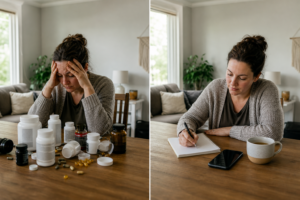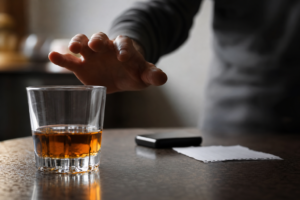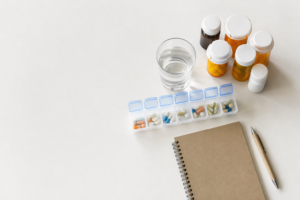
The symptom
You drink expecting alcohol to quiet your mind, ease social discomfort, help you sleep, soften grief, or give you a break from difficult feelings. Instead, the relief is brief, unpredictable, or gone altogether.
You may find yourself drinking more than you meant to, feeling worse the next day, becoming irritable or anxious between drinks, or needing a drink simply to feel normal. What once seemed like a solution can start creating the problem it was meant to solve.
This is not a personal failure or proof that you need to try harder. It is a sign to reassess what drinking is doing in your life and what support would actually meet the need underneath it.
What does just one alcoholic drink a day do to your body?
Even a small amount can affect people differently depending on their health, medicines, sleep, food intake, and history of use. It may change sleep quality, mood, judgment, coordination, digestion, or the way some medicines work, even when the person does not feel obviously intoxicated.
For someone who uses drinking to manage distress, the more important question may be what role that drink is taking on. If it has become the main way to cope, unwind, socialize, or sleep, it can gradually narrow your options and make difficult feelings harder to manage without it.
Can alcohol affect my bowel movements?
Yes. Drinking can irritate the digestive system and can contribute to loose stools, nausea, stomach discomfort, reflux, dehydration, or changes in appetite. Regular heavy use can also affect the body more broadly, including organs involved in digestion.
Persistent digestive symptoms deserve medical attention, particularly if they are severe, painful, accompanied by vomiting, blood, yellowing of the skin or eyes, confusion, or an inability to keep fluids down.
Causes, most likely first: why alcohol may stop helping
-
Tolerance has developed. The brain and body adapt to repeated exposure. The same amount produces less of the calming or rewarding effect, while unwanted effects may become more noticeable. Increasing the amount can deepen the cycle rather than restore the original relief.
-
It is worsening the feeling you are trying to escape. Drinking may briefly reduce tension, but it can disrupt sleep, lower mood, increase anxiety, and make stress feel more intense afterward. This can create a pattern of drinking for relief from the aftereffects of drinking.
-
Withdrawal or rebound symptoms are driving the urge. Shakiness, sweating, nausea, anxiety, irritability, insomnia, or a racing heart between drinks can feel like ordinary stress. They may be signs that the body has become dependent and is reacting as the substance wears off.
-
The underlying problem needs direct care. Grief, trauma, depression, anxiety, chronic pain, loneliness, relationship conflict, and work pressure do not disappear when they are numbed. They often return with greater force once the effects wear off.
-
Your drinking pattern has become automatic. Certain times, places, people, and feelings can trigger use before you have had time to make a deliberate choice. The routine may continue even when you no longer enjoy it.
-
Other health factors are changing the effects. Poor sleep, illness, dehydration, medications, changes in eating patterns, and mental health symptoms can all make drinking feel more unpleasant, more risky, or less predictable.
-
You may have alcohol use disorder. Signs can include difficulty cutting down, strong cravings, continuing despite harm, giving up important activities, drinking in risky situations, or needing more to get the same effect. A diagnosis is not required before seeking help; the impact on your life is enough reason to talk with someone.
What are the different types of alcohol?
In everyday conversation, this can mean beer, wine, cider, spirits, cocktails, and other fermented or distilled drinks. They vary in strength and serving size, but the active intoxicating substance is the same.
Comparing drinks by type can be misleading when deciding whether use is becoming a problem. A more useful measure is what happens after you drink: whether you lose control, feel unable to stop, take risks, experience withdrawal symptoms, or see harm to your health and relationships.
Is a public figure’s drinking relevant to your decision?
Reports or speculation about whether a celebrity drinks do not provide a reliable benchmark for your own health. People have different medical histories, patterns of use, supports, and consequences. Focus on your own experience: what you use, why you use it, what happens afterward, and whether you can change the pattern when you want to.
How to fix each one
If tolerance is the problem
Do not treat tolerance as a reason to increase the amount. Pause and consider whether you can safely reduce or stop. If you drink heavily, drink regularly, or have had withdrawal symptoms before, speak with a medical professional before making a sudden change. Withdrawal can be dangerous for some people and may require supervised care.
An addiction assessment can help clarify whether outpatient support, a structured treatment programme, medically supported withdrawal, or residential treatment fits your needs. The appropriate setting depends on safety, stability at home, other health needs, and the level of support available.
If anxiety, low mood, or sleep is the problem
Name the problem separately from the drinking. If anxiety rises after you drink, build support for anxiety rather than trying to outdrink it. A clinician or therapist can assess symptoms and discuss treatment that does not depend on intoxication.
For sleep, create a wind-down routine that does not involve drinking: a consistent bedtime, reduced stimulation, food and water if needed, and a plan for racing thoughts. Sleep may feel worse for a period after reducing use, which is another reason to seek medical guidance when dependence is possible.
If withdrawal may be the problem
Treat this as a medical issue, not a test of willpower. Contact a healthcare professional, treatment provider, or urgent care service for advice. Be direct about how often you drink, whether you wake needing a drink, and any past withdrawal symptoms.
Seek emergency help immediately for severe confusion, hallucinations, seizures, fainting, chest pain, severe vomiting, or thoughts of harming yourself or someone else. Do not stay alone with severe symptoms.
If drinking has become your main coping tool
Choose one specific replacement for the moment you normally drink. It should be easy enough to do when stressed: call a supportive person, leave the place where you usually drink, eat a meal, take a shower, attend a peer support meeting, write down the urge, or schedule an appointment.
Replacement is not about pretending the problem is gone. It creates enough space to decide what you need rather than automatically reaching for a drink.
If the impact is spreading through your life
Tell someone who can respond practically. This could be a doctor, therapist, addiction counsellor, trusted family member, peer recovery group, or treatment admissions team. Ask for help with a concrete next step, such as an assessment, transport to an appointment, childcare, or removing alcohol from your home.
Treatment is not one single path. Some people benefit from counselling while continuing daily responsibilities. Others need more intensive support, especially when home is unsafe, cravings are overwhelming, or withdrawal risk is present. Co-occurring mental health care matters when distress and substance use are intertwined.
How to prevent it next time
Make decisions before the urge arrives. Write a short plan for the situations that usually lead to drinking: the time of day, feeling, location, or person involved. Next to each trigger, list one action and one person or service you can contact.
Keep the plan realistic:
- Avoid keeping drinks available at home if access turns a passing urge into use.
- Do not make social plans that revolve entirely around drinking while you are trying to change the pattern.
- Eat regularly, rest where possible, and notice when exhaustion or isolation makes urges stronger.
- Tell supportive people what kind of help is useful, such as checking in, joining you at an event, or helping you attend treatment.
- Remove yourself from a situation when pressure to drink starts, rather than debating it until the urge grows.
- Arrange professional support early if you have tried to cut down and returned to the same pattern.
If you are unsure whether treatment is warranted, consider this: you do not need to wait for a crisis, a label, or a catastrophic consequence. If drinking is no longer delivering the relief you hoped for, a confidential assessment can help you choose a safer next step.