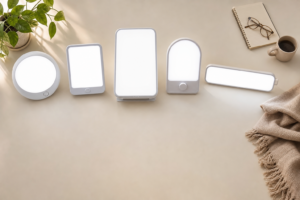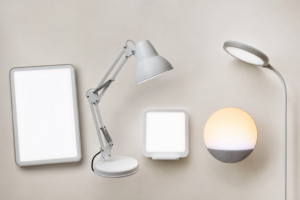
Seasonal affective disorder light therapy can be a useful part of care when darker months bring a repeat pattern of low mood, low energy, oversleeping, appetite changes, or loss of interest. The right device is not necessarily the smallest, brightest-looking, or most portable one. The practical question is whether you can use it safely and consistently at the right time of day.
Light treatment deserves more care than it often gets in shopping guides. Depression can overlap with alcohol or drug use, withdrawal, disrupted sleep, medication effects, trauma, and other mental health conditions. A lamp may support a wider treatment plan, but it is not a substitute for an assessment or for urgent help when someone is at risk of harm.
How we compared them: seasonal affective disorder light therapy
The options below are ranked as device types rather than specific brands. Models change frequently, while the features that make a light box useful are more stable. The comparison prioritises what matters in real daily use: therapeutic light output, safety information, comfort, placement, timing flexibility, and the likelihood that someone will keep using the device.
A suitable light box should clearly state its output and instructions for use. A device described as a 10,000-lux light box is a common starting point for SAD treatment, but that figure only applies at the stated distance and angle. A lamp can look bright while delivering its advertised intensity only when placed much closer than is comfortable or practical.
What makes a light therapy lamp suitable for depression?
Look for a purpose-built light box rather than a decorative lamp, coloured mood light, or ordinary desk light. Clear manufacturer guidance should explain the intended distance, session length, positioning, and safety precautions.
Useful features include:
- A broad, evenly illuminated surface that lets you sit comfortably beside the light.
- A stable stand and an adjustable angle.
- UV filtering or a clear statement that the unit is designed to minimise ultraviolet exposure.
- Controls that allow comfortable brightness settings without changing the treatment guidance.
- A timer, if it helps you establish a morning routine.
- Instructions that do not require staring directly into the light.
The best choice is usually one that fits into breakfast, reading, work preparation, or a calm morning routine. A device that stays in a cupboard rarely helps, regardless of its specifications.
Safety and treatment context
Speak with a clinician before starting light therapy if you have bipolar disorder, a history of mania or hypomania, an eye condition, light sensitivity, or take medication that can increase sensitivity to light. Light treatment can affect sleep and, for some people, mood activation. Headache, eyestrain, irritability, nausea, or difficulty sleeping can be signs that the timing, duration, distance, or approach needs review.
If seasonal depression is accompanied by thoughts of self-harm, severe deterioration, psychosis, or inability to manage daily life, seek urgent professional support rather than relying on a lamp. If alcohol or drugs have become a way to cope with depression, a treatment provider can help address both concerns together. Recovery support, therapy, medication review, sleep stabilisation, and light therapy may all have a place in care.
The ranking
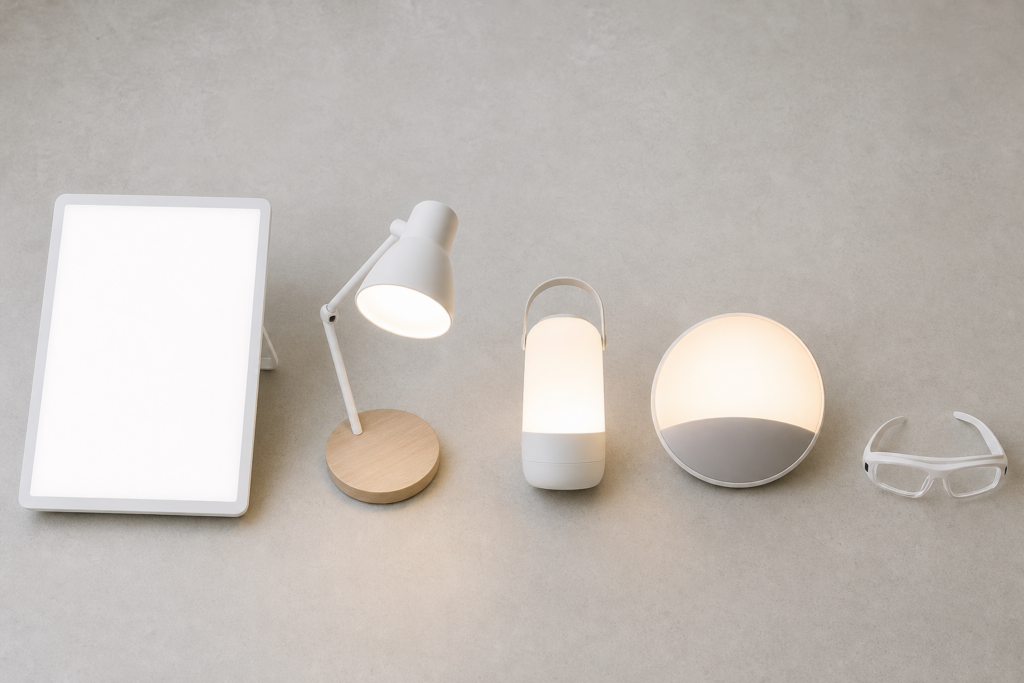
| Rank | Light therapy option | Best fit | Main strength | Main limitation |
|---|---|---|---|---|
| Top choice | Full-size 10,000-lux tabletop light box | Most people with a regular morning routine | Strong balance of usable light, comfort, and consistent placement | Needs a dedicated spot near where you sit |
| Strong alternative | Wide-panel adjustable light box | People who dislike sitting close to a small lamp | Larger illuminated area and easier positioning | Takes up more space |
| Best for small spaces | Compact angled light box | Desk workers and people with limited room | Easier to keep visible and use routinely | Often requires closer positioning |
| Best for travel or variable routines | Portable light box | People away from home or moving between locations | Convenient and easier to pack away | Smaller surface can make correct use less forgiving |
| Best for difficult mornings | Dawn simulator | People whose main problem is waking in darkness | Supports a gentler wake-up routine | Usually not a replacement for a therapeutic light box |
| Least suitable as a primary option | Wearable light glasses | People who cannot sit with a light box | Can be used while moving around | Comfort, fit, timing, and individual tolerability need more care |
Top choice: full-size 10,000-lux tabletop light box
A full-size tabletop box is the most practical choice for many people because it makes the routine simple. Place it where you already spend time in the morning: at a table, beside a workspace, or near a favourite chair. You keep your eyes open and face generally toward the light while doing something ordinary, without looking directly at it.
Choose a model with a sufficiently broad light surface, a stable base, and clear distance guidance. The broader panel matters because it gives you more freedom to shift position without losing the intended exposure. That can make the routine feel less clinical and more sustainable.
This is the best starting point when you have space and want an option that resembles established light-box treatment guidance. It is also easier for a clinician to help you use than a highly specialised device.
Strong alternative: wide-panel adjustable light box
A wide-panel model is a good choice if a standard box feels too intense, too close, or too easy to avoid. Its larger surface can provide more flexibility in where you sit and how you angle the unit. That may be useful for someone who eats breakfast, journals, works, or attends remote appointments in the morning.
Prioritise an adjustable stand. A light that can be angled downward toward your face is generally easier to incorporate into a seated activity than one that must be balanced at an awkward height.
The trade-off is physical size. Before buying, identify a permanent or semi-permanent location. If setting it up requires clearing a crowded surface every morning, adherence may suffer.
Best for small spaces: compact angled light box
A compact light box can be a sensible option in a shared home, dorm, small flat, or office. It is easier to leave on a desk and less visually intrusive than a large panel. For people who need a low-friction routine, visibility can be more important than having every premium feature.
Check the stated treatment distance carefully. Smaller devices may need to be placed closer to deliver their intended light level. If that distance feels uncomfortable, forces you to stare toward the unit, or does not work with your desk setup, a larger panel may be the better investment.
This category works best when you can use it in the same place every morning. Avoid treating a compact unit as a decorative object that gets switched on occasionally without following its instructions.
Best for travel or variable routines: portable light box
Portability is valuable when you split time between homes, work away from home, or travel during the months when symptoms tend to return. A portable unit can also reduce the all-or-nothing thinking that sometimes interrupts mental health routines: missing your usual setup need not mean abandoning care altogether.
The drawback is that a small device generally offers less positional flexibility. You need to be especially attentive to the manufacturer’s directions about placement and duration. Portable devices are best for people who already understand how light therapy affects their sleep and mood, ideally with clinical guidance.
If your depression is severe or your schedule is highly disrupted by substance use, withdrawal, shift work, or insomnia, focus first on getting personalised care. A portable lamp cannot correct a fundamentally unstable sleep-wake pattern on its own.
Best for difficult mornings: dawn simulator
A dawn simulator gradually brightens the bedroom before your planned waking time. It may help people whose main difficulty is getting out of bed in dark mornings or whose sleep feels heavy and poorly timed during winter.
It ranks below a therapeutic light box because it is typically a sleep-routine aid rather than a direct substitute for standard light-box treatment. It may be a useful companion to a morning light box, especially if abrupt alarms trigger anxiety, grogginess, or a tendency to return to sleep.
Use care with any device that disturbs sleep. Poor sleep can worsen depression, increase cravings, and make recovery harder. If a simulator leaves you more tired or unsettled, reconsider the schedule with a healthcare professional.
Least suitable as a primary option: wearable light glasses
Wearable light devices may appeal to people who cannot sit in one place. They can be convenient while making breakfast, commuting, or completing morning tasks. But the hands-free design does not automatically make them the best option.
Fit, comfort, direction of light, and correct timing all matter. Some people find wearable devices intrusive or activating, particularly if they are prone to headaches, anxiety, sleep disruption, or mood elevation. They are best considered when a conventional box does not fit your life and you have discussed the plan with a clinician.
Which one to choose
Start with a full-size tabletop light box if you have room for it and can build a stable morning routine around it. This remains the clearest choice for someone seeking a straightforward, purpose-built approach to winter depression symptoms.
Choose a wide-panel box when comfort and freedom of movement matter more than saving space. Choose a compact unit when a desk-based routine is realistic and you can follow close-placement instructions. Choose portability only when travelling or moving between locations would otherwise stop you using light therapy. Consider a dawn simulator for waking problems, not as the only response to significant seasonal depression.
How to use a light therapy lamp
Use the device according to its own instructions and any plan agreed with your clinician. Morning use is commonly preferred because light later in the day may interfere with sleep for some people. Put the lamp in a place where it supports an existing habit rather than creating another demanding task.
Sit at the recommended distance, position the light as directed, and keep your eyes open without staring into it. Read, eat, plan your day, or work nearby. Track changes in sleep, energy, irritability, anxiety, cravings, and mood. This is particularly important if you are in recovery, changing medication, or have a history of mood swings.
If you notice worsening agitation, less need for sleep, racing thoughts, severe headaches, eye discomfort, or a rapid mood shift, stop using the device and contact a healthcare professional.
How to survive winter depression
A lamp works best as one part of a broader plan. Keep waking and sleeping times as regular as possible, get outside during daylight when you can, eat regularly, and stay connected to people who know you may struggle at this time of year. Therapy and medical treatment can help when symptoms are persistent, recurrent, or impairing.
For someone dealing with alcohol or drug use, winter depression can increase isolation and make substances feel like quick relief. Tell a treatment provider or trusted support person early if low mood is increasing cravings, missed appointments, or urges to withdraw from others. Coordinated care is safer than trying to manage depression and substance use separately.
What supplements can help with seasonal affective disorder?
Do not assume that a supplement is a replacement for assessment or treatment. A clinician can consider possible nutritional deficiencies, medication interactions, physical health conditions, diet, and your specific symptoms before recommending anything. This is especially important if you are pregnant, have a health condition, take prescribed medication, or are receiving addiction treatment.
What are the symptoms of winter fatigue?
Winter fatigue can involve sleeping more but still feeling unrefreshed, reduced motivation, slower thinking, difficulty concentrating, low mood, social withdrawal, and changes in appetite or activity. These symptoms can also occur with other forms of depression, anxiety, medical conditions, medication effects, poor sleep, and substance use.
Seek an evaluation when symptoms recur with the seasons, affect work or relationships, make recovery more difficult, or do not improve with routine self-care. The goal is not merely to find a lamp, but to choose support that matches the seriousness of what you are experiencing.