The symptom
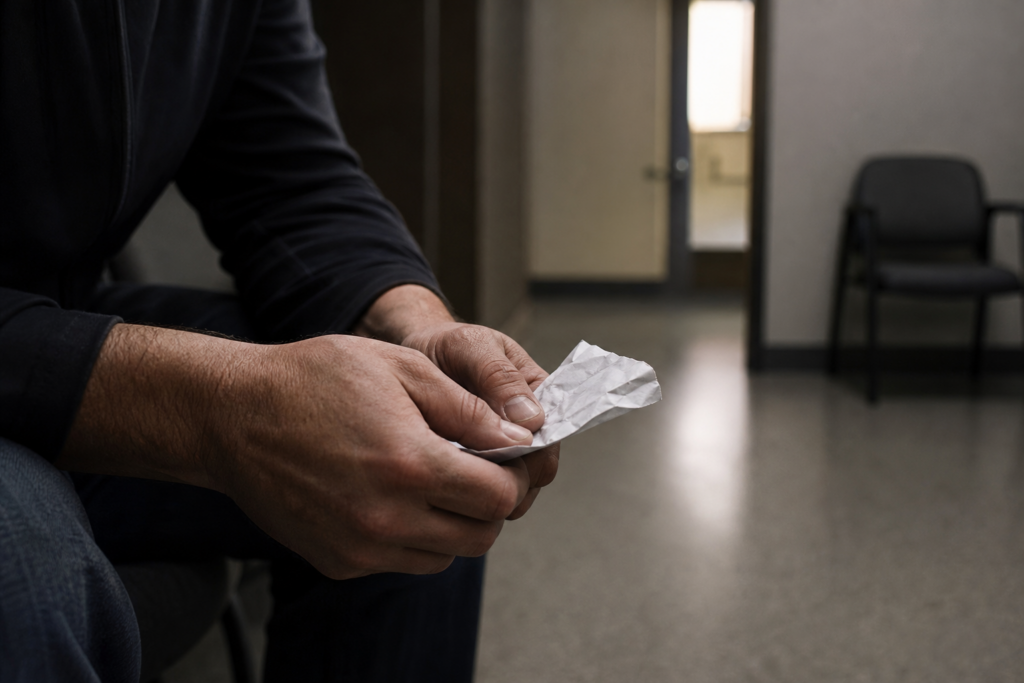
You chose a drug rehabilitation center near me because getting help close to home seemed practical, but treatment now feels ineffective. Perhaps you are still using, have returned to use after leaving, dread attending, feel unseen in groups, or cannot manage the program alongside work, caregiving, housing, or mental health needs.
That does not automatically mean treatment has failed or that recovery is out of reach. A return to substance use, difficulty engaging, or a poor fit with one program is useful information: the current level of care, clinical approach, or practical plan may need to change.
Treatment is not a single event. It is a process of becoming medically stable, learning ways to respond to cravings and distress, addressing the reasons substances became necessary, and building support outside the treatment setting. If one part is missing, progress can stall.
Urgent symptoms need urgent help. Seek emergency medical care or contact local emergency services if there is an overdose, severe withdrawal, confusion, chest pain, seizures, suicidal thoughts, or a risk of harming yourself or someone else. Do not try to manage dangerous withdrawal alone.
Causes, most likely first: why a drug rehabilitation center near me may not fit
The issues below are ranked by how commonly they interfere with treatment. More than one can be true at the same time.
-
The level of care does not match your current needs. A person who needs medical withdrawal management, a highly structured residential setting, or intensive mental health support may struggle in a program with fewer clinical hours. The reverse can also happen: a setting that is more restrictive than necessary can feel unmanageable and make continued participation harder.
-
The program treats substance use but not the drivers behind it. Trauma, depression, anxiety, grief, chronic pain, sleep problems, family conflict, and other mental health concerns can fuel substance use. If these are not assessed and treated alongside addiction, coping without substances may feel impossible.
-
The treatment plan is generic rather than personal. Group work can be valuable, but it cannot replace an individual plan that reflects your substance use pattern, physical health, medications, home life, culture, goals, and recovery history.
-
You do not feel safe, respected, or able to be honest. Shame, judgment, poor communication, conflict with staff or peers, and a lack of privacy can make people withdraw from treatment. You do not have to like every session, but you should be treated with dignity and be able to raise concerns.
-
The program has not built a practical plan for cravings and return-to-use risk. Knowing that substances are harmful is different from knowing what to do when a craving hits, money becomes available, a former contact reaches out, or an argument leaves you overwhelmed.
-
Life outside treatment is overwhelming the work inside it. Unstable housing, transportation problems, caregiving, employment pressure, legal concerns, food insecurity, and unsafe relationships can make attendance and recovery tasks difficult. These are treatment barriers, not evidence of weak motivation.
-
The transition out of structured care was too abrupt. A person may do well with daily support and struggle once home. Without continuing therapy, recovery support, medical follow-up, and a clear crisis plan, familiar triggers can quickly take over.
-
The program was chosen for convenience alone. Being nearby matters, especially when travel is a barrier. But the closest option may not provide the services, specialty care, or schedule you need. Location is one consideration, not the whole decision.
Do you have to pay for drug rehabilitation?
Not always. Coverage, public programs, nonprofit services, payment plans, and programs with reduced-cost options may be available, depending on your circumstances and location. Ask a program directly what services are included, what your insurance may cover, what you could owe yourself, and whether financial assistance or referrals are available.
Cost should be discussed before admission whenever possible, but do not let uncertainty stop you from asking for an assessment. A treatment provider, insurer, or local public health service may be able to explain options.
How long is the average stay in drug rehab?
There is no single stay that works for everyone. The appropriate length depends on withdrawal risk, the substances involved, mental and physical health, prior treatment, safety at home, and progress over time.
A better question is whether the plan has enough support for your current stage of recovery and whether support continues after the most intensive phase ends. Leaving a program is a transition, not a finish line.
What is the hardest drug to rehab from?
There is no universal answer. Different substances can create different withdrawal risks, cravings, health effects, and relapse patterns. What is hardest for a particular person also depends on how long they have used, their mental health, their environment, and whether they have support.
Avoid using difficulty as a reason to delay care. A qualified clinician can assess withdrawal risk and recommend an appropriate setting.
What is the 3-3-3 rule for addiction?
The phrase is used in different ways online and is not a single, standard rule for addiction treatment. If a program uses it, ask what it means in that specific setting, what evidence or clinical reasoning supports it, and how it fits your individual plan. Clear answers are a sign that a provider is willing to collaborate.
How to fix each one
Ask for a fresh clinical assessment
Tell the treatment team plainly what is not working: ongoing use, cravings, missed sessions, panic, medication concerns, conflict, or feeling unsafe. Ask for a reassessment of withdrawal needs, mental health, physical health, and the intensity of care.
Useful questions include:
- Is my current level of care still appropriate?
- Do I need medical support for withdrawal or medication review?
- What mental health conditions are being screened for and treated?
- What would make a referral to a different program appropriate?
- What is the plan if I return to use?
A respectful program should treat return to use as a clinical concern to address, not a reason to shame or discard you.
Request an individual treatment plan
Ask for goals that connect to your actual life. For example, the plan might cover managing cravings after work, avoiding a specific unsafe living situation, repairing contact with supportive family, getting sleep under control, or attending medical appointments.
The plan should identify triggers, early warning signs, coping steps, supports to contact, and what staff will do to help. If the goals sound copied from a form and do not reflect your circumstances, say so.
Treat co-occurring mental health and medical needs
Ask whether the program can coordinate care for anxiety, depression, trauma symptoms, chronic pain, sleep issues, or prescribed medications. Do not stop prescribed medication abruptly without medical advice.
Integrated care matters because untreated distress can intensify cravings. If the facility cannot provide the needed service, ask for a coordinated referral rather than trying to navigate it alone.
Change the therapeutic relationship or the setting
If you do not connect with a counselor, raise the concern and ask whether another clinician, group, or approach is available. Describe the problem specifically: you may need more individual time, clearer communication, a trauma-informed environment, or more help involving family.
If the environment is unsafe, discriminatory, or consistently dismissive, seek another provider. Convenience does not outweigh personal safety and basic respect.
Build a plan for the hours between sessions
Treatment needs to work outside the building. Make a short, concrete response plan for cravings and high-risk situations. Include people you can contact, places you can go, transportation options, ways to remove or avoid substances, and activities that help you ride out an urge.
Also plan for predictable pressure points, such as loneliness, payday, social events, conflict, pain, or contact with people connected to past use. A plan is stronger when someone supportive knows it exists.
Address practical barriers directly
Tell staff if housing, childcare, work schedules, transport, food, safety, or legal obligations are preventing you from participating. Ask whether there is case management, telehealth, different appointment times, family support, or community referrals.
Missing care because of a real-life barrier is a problem to solve with the provider, not a reason to disappear from treatment.
Strengthen continuing care before stepping down
Before leaving a more structured program, arrange the next supports rather than waiting until a crisis. This may include outpatient counseling, peer recovery support, medical follow-up, medication management, recovery housing, family involvement, or mutual-help meetings if those are useful to you.
Write down who to contact if cravings rise or use happens. The first response after a setback can reduce harm and help you reconnect quickly.
How to prevent it next time
Choose based on fit, not proximity alone
When comparing a program, ask what level of care it offers, whether it can assess withdrawal safely, how it handles co-occurring mental health needs, and what happens after the initial phase of treatment. A nearby program can be an excellent choice, but it should meet your clinical and practical needs.
Look for collaborative, clear communication
Before enrolling, ask how treatment plans are made and changed. You should be able to understand what the program recommends, why it recommends it, and how your own goals are included.
Be wary of promises that imply a guaranteed outcome or pressure you to commit before your questions are answered. Recovery support should be honest about uncertainty and responsive to changing needs.
Involve supportive people carefully
If it is safe and helpful, invite a trusted family member, friend, or support person into parts of the plan. They can help with transportation, appointments, medication routines, boundaries, and noticing warning signs.
Choose people who can support recovery without controlling or shaming you. If family involvement is unsafe or unwanted, identify other reliable supports.
Keep reviewing the fit
Do not wait until you have stopped attending or returned to use repeatedly to speak up. Bring up problems early: escalating cravings, poor sleep, side effects, conflict, growing hopelessness, or practical barriers.
The right response may be a small adjustment, a new service, or a change in level of care. Asking for that adjustment is part of participating in treatment, not a failure of commitment.