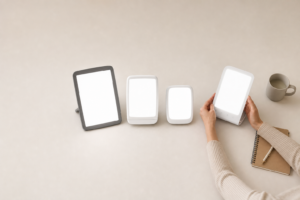
Seasonal depression can make mornings feel heavy, reduce motivation, disrupt sleep, and make recovery routines harder to keep. Light therapy for seasonal depression can be a practical part of a wider care plan, especially when darker months bring a predictable change in mood.
The important choice is not the most attractive lamp or the most portable one. It is choosing a device that delivers bright, comfortable light consistently, fits where you actually spend your mornings, and can be used safely alongside any mental health or substance-use treatment.
A point often missed in product comparisons: the best device is not automatically enough on its own. If low mood is affecting safety, sobriety, work, relationships, or the ability to manage daily life, seek clinical support rather than trying to solve the problem with a lamp alone.
How we compared them: light therapy for seasonal depression
The options below are ranked by how well their design supports the core job of a seasonal-depression light device: providing a broad, comfortable field of bright visible light while you are awake and able to follow a routine.
Rather than treating cosmetic features as proof of effectiveness, the comparison prioritises practical details that determine whether a device is likely to get used.
What matters most
- Purpose-built bright light: Choose a device specifically intended for seasonal mood treatment, not a decorative lamp, coloured light, or a tanning device.
- UV protection: A suitable device should filter ultraviolet light. Indoor tanning is not a treatment for seasonal depression and exposes skin and eyes to avoidable harm.
- Usable light surface: A larger panel generally gives more flexibility in where you sit and how you position it. You should not need to stare into the light.
- Morning fit: Light can affect the body clock, so a device that is easy to use during a regular morning activity is more useful than one that remains in a cupboard.
- Positioning flexibility: Sturdy stands, adjustable angles, and enough reach for a desk or table make safe, comfortable placement easier.
- Comfort: Glare, visible flicker, an awkward switch, or a harsh appearance can undermine consistency.
- Safety information: Clear instructions and a credible return process matter, particularly if you have health conditions or take prescribed medication.
Comparison table
| Rank | Option | Best fit | Why it ranks here | Main limitation |
|---|---|---|---|---|
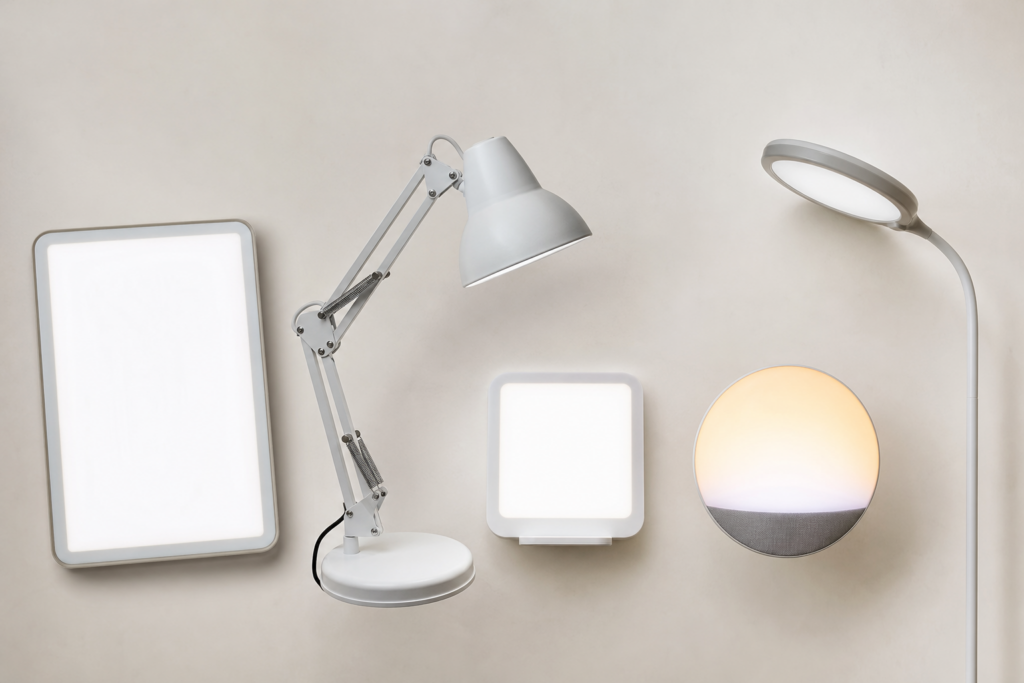
| First | Large rectangular light box | Regular home use | Broad, even light and straightforward positioning | Takes up surface space |
| Second | Adjustable desk light therapy lamp | Desk-based morning routine | Flexible angle and easy integration with work or breakfast | Smaller light area than a full panel |
| Third | Floor-standing light therapy lamp | Limited table space | Keeps surfaces clear and can serve a usual sitting area | Requires stable floor space |
| Fourth | Compact travel light | Travel or small rooms | Easier to pack and store | Small panels demand more careful placement |
| Fifth | Dawn simulator | Difficulty waking in dark mornings | Supports a gentler wake-up routine | Usually not a substitute for a bright-light device |
Safety checks before you buy
A light device can cause eyestrain, headache, agitation, nausea, or sleep disruption for some people. These effects deserve attention rather than being pushed through.
Speak with a clinician before starting if you have bipolar disorder or a history of periods of unusually elevated or activated mood. Bright light can worsen activation for some people, and the timing of use may need professional guidance.
Also ask a prescriber, pharmacist, or eye specialist for advice if you have an eye condition, have had eye treatment, or use medication that can increase sensitivity to light. This is particularly relevant when you are taking medication as part of alcohol or drug treatment: do not stop or change medication to use a lamp.
Start by following the device instructions exactly. Keep the light at the recommended distance and angle, keep your eyes open without looking directly at the bulbs or panel, and use it while reading, eating, planning the day, or doing another calm seated activity. If mood becomes unusually energised, irritable, impulsive, or sleepless, stop and contact a healthcare professional.
The ranking
First: Large rectangular light box
For most people seeking a dependable home option, a large rectangular light box is the strongest choice. Its main advantage is a generous illuminated surface that can sit beside a breakfast table, work area, or favourite morning chair. That gives you room to maintain a natural gaze rather than holding your face close to a small source of light.
Look for a stable base, an adjustable stand, a plain control system, and clear safety guidance. A model with a broad panel is especially helpful if you share a home, move between rooms, or know that precise positioning will be difficult on low-energy mornings.
This is the best choice when seasonal symptoms are significant enough that you want a dedicated routine. Place it where the routine already happens. A light box stored in a bedroom cupboard is less likely to help than one beside the kettle, journal, laptop, or breakfast place.
Its drawback is its footprint. If available surfaces are crowded or the room is small, it can feel like another task to set up. In that situation, an adjustable desk lamp may be the better real-world purchase.
Second: Adjustable desk light therapy lamp
An adjustable desk model is a sensible choice for people who have a regular seated morning habit. It can work well beside a computer, during breakfast, or while planning appointments and recovery activities.
The adjustable head is its key benefit. You can direct the panel toward your face from the side or slightly above, following the manufacturer’s placement guidance, without needing to look into it. This can make the setup more comfortable than a fixed small panel.
Choose this style if convenience will drive adherence. It is also a useful compromise for someone who wants a purpose-built device but does not have room for a large rectangular box.
The trade-off is coverage. Smaller lamps offer less freedom to shift position. If you tend to move around while getting ready or cannot maintain a desk routine, a larger panel may be less frustrating.
Third: Floor-standing light therapy lamp
A floor-standing option suits a home where tables are scarce but there is a consistent place to sit in the morning. It can stand next to a chair, sofa, or exercise area and may be easier to leave in place than a desktop device.
It is worth considering when you want the lamp to be part of the room rather than another item that needs unpacking each day. For a person rebuilding structure after alcohol or drug treatment, reducing setup steps can be valuable: a visible, ready-to-use device can become a cue for a stable morning routine.
Prioritise a sturdy base and an arm or panel that can be positioned according to its directions. Avoid models that are easy to knock over in a busy household or that require a tangle of cables across a walkway.
This option ranks below the desk lamp because it needs dedicated floor space and may be harder to take when travelling. Still, it can be the most workable choice for a fixed home routine.
Fourth: Compact travel light
A compact device is useful if your seasonal symptoms continue during work trips, family visits, or stays away from home. It can also suit a small flat, shared accommodation, or anyone who needs to store the device after use.
Portability is its advantage, not superior treatment quality. Small panels usually require more exact positioning and may feel less comfortable if you need to sit very close. Check whether the instructions make clear how to place the device and whether its output is appropriate at the stated distance.
Consider a travel light as a secondary device if you already have an effective main setup at home. As a sole device, it is most suitable for someone who can reliably sit in one place and follow placement instructions each morning.
Do not let portability become an excuse to use a device while driving, walking in unsafe conditions, or doing tasks that need uninterrupted visual attention.
Fifth: Dawn simulator
A dawn simulator gradually brightens the bedroom around the time you wake. It may appeal if the hardest part of the season is getting out of bed while it is dark, or if abrupt alarms increase anxiety or irritability.
Its role is different from that of a purpose-built bright-light device. It may help establish a more manageable waking pattern, but it should not be assumed to provide the same intervention as a properly positioned light box. For seasonal depression, it is best viewed as a routine aid unless a clinician advises otherwise.
Choose this option if a gentler wake-up is your main goal and you can add other depression supports. Skip it if you are specifically seeking a bright-light setup for morning use while awake.
What is seasonal affective disorder?
Seasonal affective disorder is a pattern of depression that occurs during a particular season and improves as the season changes. People often associate it with darker, shorter days, though symptoms and timing vary.
It is more than simply disliking winter. Depression can include persistent low mood, loss of interest, changes in sleep or appetite, fatigue, difficulty concentrating, hopelessness, and withdrawal from people or activities. A professional can assess whether symptoms are seasonal depression, another form of depression, a medication effect, a physical health issue, or something else.
What are effective coping strategies for the winter blues?
Light therapy works best as one part of a repeatable plan. Useful supports include:
- Keep a steady waking time where possible.
- Get outside during daylight, even briefly, when it is safe and manageable.
- Build gentle movement into the day.
- Eat regularly and stay hydrated; low mood can make basic care harder.
- Schedule contact with supportive people before isolation becomes the default.
- Keep recovery appointments, peer support, therapy, or counselling in place during difficult months.
- Reduce alcohol and non-prescribed drug use, which can worsen sleep, mood, and impulsive decisions.
What to do when feeling down
When a low day arrives, lower the threshold for action. Open curtains, sit near your planned device if it is safe for you, eat something simple, send one honest message, and attend the next support appointment rather than waiting to feel motivated.
If you are in recovery, treat a sharp mood decline as a relapse-risk signal. Tell a counsellor, sponsor, trusted person, or treatment provider what is happening. Make your environment safer by avoiding situations, substances, or contacts that have led to use in the past.
Seek urgent help through local emergency or crisis services if you feel unable to stay safe, have thoughts of harming yourself, or fear that you may return to dangerous substance use.
What vitamins are helpful for seasonal depression?
A supplement is not a replacement for assessment or depression treatment. Vitamin levels, diet, medical conditions, and medication can all affect what is appropriate. A clinician can advise whether testing or supplementation makes sense for you.
Avoid treating supplements as harmless simply because they are available without a prescription. They can interact with medication or be used in ways that delay needed mental health care. If you are entering or currently in addiction treatment, tell your treatment team about all supplements and over-the-counter products you use.
Which one to choose
Choose a large rectangular light box if you want the most straightforward, home-based option and have a place to keep it visible. It is the strongest all-round choice for building a consistent morning practice.
Choose an adjustable desk lamp if you regularly eat breakfast, work, read, or complete recovery planning at a desk or table. It is the most practical option when surface space is limited but a seated morning routine is realistic.
Choose a floor-standing lamp if table space is the barrier and you have a reliable morning chair or corner. Its value is in staying set up and ready.
Choose a compact travel light only if portability or storage is essential. It can be useful, but it asks more of you in terms of careful positioning and regular use.
Choose a dawn simulator if waking in darkness is the main difficulty, but do not rely on it as a like-for-like replacement for a bright-light device.
Before ordering, check that the product is made for seasonal mood use, filters UV light, provides clear placement directions, and has safety information you can understand. Then decide where it will live and what you will do while using it. A calm morning activity, a fixed location, and a plan for seeking help if symptoms worsen matter more than extra settings or a stylish design.
If depression is persistent, severe, or tied to alcohol or drug use, involve a healthcare or treatment professional. Light can support a recovery routine; it should not carry the entire weight of your care.